
What Do Volunteers Actually Do in Assisted Living Communities?
Volunteers in assisted living settings often serve as a bridge between residents and the wider community. Their contributions are practical and emotional, supplementing what staff provide but not replacing professional care. The tasks volunteers perform can range widely, depending on the needs of the residents and the resources available.
Typical activities include:
- Leading craft projects, music sessions, or recreational games
- Assisting with group outings, nature walks, or indoor gardening
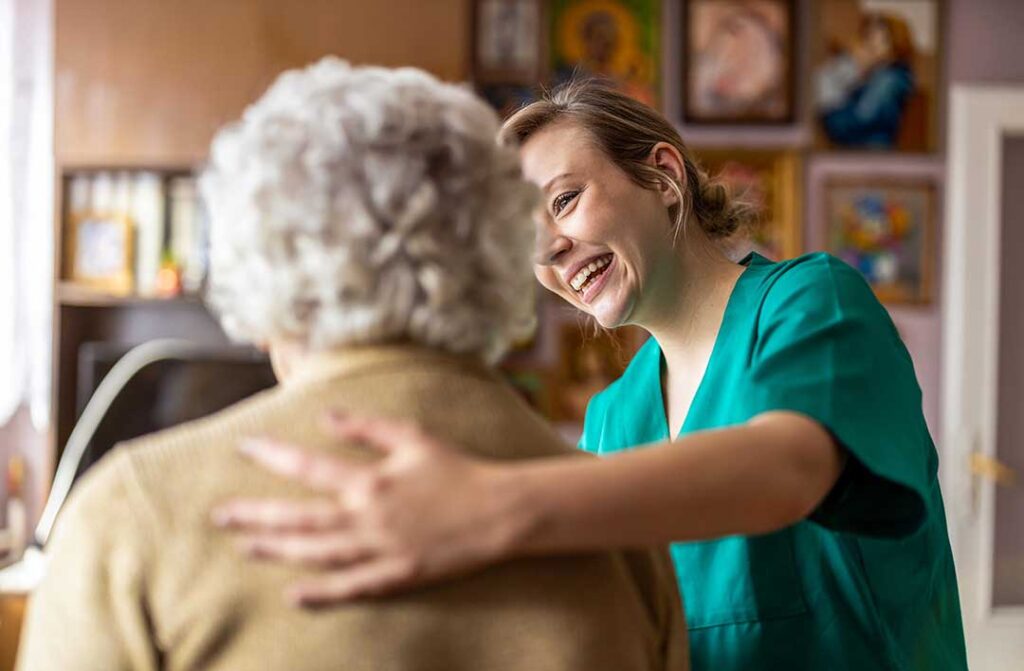
- Visiting with residents for companionship and friendly conversation
- Helping organize seasonal events like holiday celebrations or themed parties
- Reading out loud for those with declining vision
- Supporting movement activities, like chair exercises or strolls in community gardens
In Mountain Top, seasonal changes mean activities can look different throughout the year—indoor crafts and games are common in snowy months, while gardening and walks become popular in warmer weather.
Why Are Volunteers Needed in Assisted Living?
Volunteers fill important gaps that professional caregivers may not have time or capacity to address. Their presence often makes daily life more engaging and less routine for residents. Especially in smaller, close-knit communities like Mountain Top, these volunteers might be neighbors, friends, or members of local churches, bringing a sense of familiarity to the environment.
Residents often have questions about how volunteers differ from staff. The answer is that volunteers do not handle medical or personal care tasks. Instead, they focus on enrichment—providing activities, companionship, and a change of pace.
How Do Volunteers Affect Residents’ Wellbeing?
For many older adults, social interaction and mental stimulation are just as important as physical care. Volunteers help reduce loneliness and isolation, which is especially relevant for those whose family may live far away. In assisted living, these friendly faces can make a big difference in daily mood and engagement.
Some notable benefits include:
- Immediate companionship, which can support emotional health
- Opportunities for residents to form intergenerational connections, especially when local students or youth groups get involved
- A sense of belonging to the broader Mountain Top community, not just within facility walls
Residents who participate in volunteer-led programs often report feeling more connected and look forward to these visits as meaningful highlights of their week.
Do Volunteers Receive Special Training?
Many facilities offer a short orientation for new volunteers. Training covers:
- Basic safety guidelines and emergency procedures
- How to interact respectfully with residents experiencing memory loss or limited mobility
- Privacy and confidentiality expectations

This ensures volunteers are prepared and reduces the risk of misunderstandings or discomfort for both the volunteers and the residents. In some cases, longtime volunteers develop specific skills in leading dementia-friendly activities or adapting games for those with physical limitations.
What Should Residents Expect From Volunteer Interactions?
Residents may wonder if volunteers will be a regular part of their lives. In practice, volunteer schedules depend on their availability—some visit weekly, others for special events. There is usually no obligation for residents to participate, so everyone maintains their independence and preferences.
Some common misconceptions are:
- Volunteers are not allowed to provide hands-on care or handle private health information.
- Volunteers are guests—not replacements for professional staff.
- Residents can opt in or out of activities, and feedback is usually welcome to shape future programs.
Conversations, crafts, and outings should feel relaxed and low-pressure, focused on enjoyment rather than obligation.
Can Volunteers Help With Transportation or Errands?
In most assisted living communities, volunteers do not drive residents or manage errands such as banking or shopping. Transportation usually remains the responsibility of family or service staff due to safety and licensing requirements. However, volunteers can help organize group outings—for example, a trip to a local park when weather permits—under supervision.
For residents with questions about getting to appointments or outside destinations, the facility’s own transportation resources or family support are generally recommended.
Are Volunteers Screened for Safety?
Residents and families sometimes worry about privacy and safety. All reputable assisted living communities require background checks and reference verification for regular volunteers. This screening helps ensure a safe and comfortable environment. Occasionally, supervised youth visits might be allowed for special projects or group performances.
In a community-focused area like Mountain Top, volunteers are often introduced to residents in small groups or paired with staff during initial visits, building trust and familiarity.
How Can Residents Share Feedback About Volunteers?
Feedback channels are typically clear and accessible, whether through suggestion boxes, family meetings, or informal comments to staff. Residents should feel comfortable sharing both positive experiences and concerns, as this helps maintain a welcoming and responsive environment.
Residents may notice that volunteers respond well to feedback—shifting activity ideas, adjusting group sizes, or learning preferences over time. In this way, volunteering is not a one-way relationship, but a partnership that adapts to individual needs and interests.
