
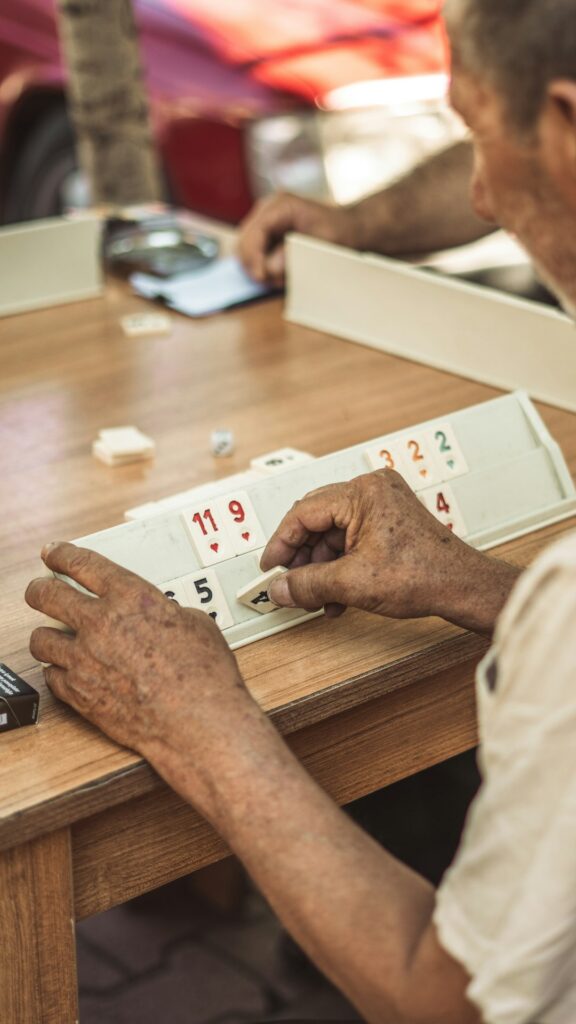
Living in assisted living can include many opportunities for recreation, conversation, creativity, and gentle movement. Favorite activities often depend on personal history, physical ability, cultural interests, memory, and whether someone prefers quiet individual pursuits or lively group events.
In Mountain Top, PA, seasonal weather can also shape daily routines. Snow, icy sidewalks, rain, and shorter winter daylight may lead residents to spend more time indoors, making accessible games and hobbies a valuable part of community life.
What games are popular in assisted living?
Card games, bingo, puzzles, trivia, and familiar board games are among the most common choices because they can be adapted for different abilities and group sizes. The most successful activities are usually easy to understand, flexible, and welcoming to both experienced players and beginners.
Popular options include:
- Bingo with large-print cards and clearly announced numbers
- Simple card games such as Uno-style matching games, Go Fish, or playing-card sorting
- Dominoes and tile games
- Checkers, chess, or simplified strategy games
- Crossword puzzles, word searches, and large-print sudoku
- Jigsaw puzzles with larger pieces
- Trivia based on music, local history, holidays, or everyday knowledge
- Dice games that use large, easy-to-see dice
Games do not need to be competitive to be enjoyable. Some residents prefer cooperative activities in which everyone works toward a shared goal, such as completing a puzzle, answering trivia questions together, or building a group scrapbook.
Are games helpful for residents with memory loss?
Yes. Familiar games may support conversation, routine, attention, and social connection for people living with memory loss. However, the activity should be adjusted to the individual rather than treated as a test of memory or skill.
A person who once enjoyed complex card games may prefer a simpler version with fewer rules. Someone who becomes frustrated by losing may respond better to matching cards, sorting objects by color, or group trivia without scoring.
Helpful approaches include:
- Giving one instruction at a time
- Demonstrating instead of explaining lengthy rules
- Using large-print materials and strong color contrast
- Allowing extra time for responses
- Avoiding correction in front of others
- Focusing on participation rather than winning
- Stopping or changing the activity if fatigue or frustration appears
Music-based games can work especially well because familiar songs may prompt memories and conversation without requiring residents to recall exact dates or names.
Which pastimes are good for residents who prefer quiet activities?
Not everyone enjoys group recreation. Quiet pastimes can provide relaxation, independence, and a sense of accomplishment.
Reading remains a popular choice, especially with large-print books, magazines, newspapers, short stories, poetry, and audiobooks. Some residents enjoy reading alone, while others prefer a small reading circle with brief selections and informal discussion.
Other individual activities include:
- Coloring with pencils, crayons, or easy-grip markers
- Knitting, crocheting, embroidery, or simple hand-sewing
- Painting with watercolors or washable craft paints
- Writing letters, family stories, recipes, or personal memories
- Completing word puzzles or picture searches
- Listening to music, radio programs, or recorded books
- Caring for a small indoor plant or arranging flowers
- Looking through family photographs and organizing them in albums
Crafts should be offered with attention to hand strength, vision, tremors, and joint comfort. Larger handles, lightweight materials, and prepared steps can make an activity more accessible.
What activities encourage conversation and friendships?
Small-group activities often create natural conversation because residents have something specific to discuss or do together. A shared task can make socializing easier for people who may not feel comfortable joining an open-ended conversation.
Good conversation-centered pastimes include themed trivia, cooking demonstrations, storytelling groups, sing-alongs, discussion of old photographs, and “show and tell” sessions involving safe personal items. Residents may also enjoy talking about favorite recipes, childhood games, former occupations, seasonal traditions, or music from different periods of life.
A group does not have to be large. Two or three residents with a common interest may have a more meaningful exchange than a crowded activity room. Staff or family members can help identify shared interests, but residents should be allowed to choose whether they want to participate.
Are there safe exercise games for assisted living?
Gentle movement games can support balance, coordination, circulation, and mood when they are matched to a resident’s abilities. These activities should be performed according to individual care instructions, especially for residents with fall risks, heart conditions, pain, or mobility limitations.

Examples include seated balloon volleyball, scarf tossing, ring toss, beanbag targets, balloon batting, and simple movement games set to music. Seated exercises may involve ankle movements, hand clapping, reaching, or passing a soft ball around a circle.
Safety considerations include:
- Keeping walkways clear
- Using stable chairs with appropriate support
- Choosing lightweight, soft equipment
- Avoiding activities that require sudden standing or twisting
- Providing rest periods
- Watching for dizziness, shortness of breath, or pain
- Offering a seated version whenever possible
Outdoor time can also be enjoyable during comfortable weather. In this region, activities may need to move indoors during snow, ice, heavy rain, or extreme temperatures. A sunny window, indoor plant project, or seasonal decoration activity can provide a connection to nature when outdoor conditions are unsuitable.
How can favorite hobbies be adapted for different abilities?
The activity should be changed before the resident is excluded. A hobby may remain enjoyable even when the original method is no longer practical.
Someone who enjoyed gardening might sort seeds, arrange artificial flowers, water indoor plants, or help choose seasonal decorations. A former cook might review recipes, measure ingredients, decorate prepared foods, or participate in a cooking conversation. A person who enjoyed woodworking may sort safe craft pieces, complete sanding with supervision, or work with lightweight materials instead of power tools.
Useful adaptations may include:
- Large-print instructions
- Picture-based directions
- Larger game pieces
- Non-slip mats
- Easy-grip tools
- Shorter activity periods
- Fewer rules
- Partner or group participation
- Seated alternatives
- Quiet spaces for residents who become overstimulated
The goal is not to make every resident perform an activity in the same way. The goal is to preserve choice, familiarity, purpose, and enjoyment.
What should families ask about recreation?
Families may want to ask how residents choose activities, whether schedules change with the seasons, and how programs accommodate hearing, vision, mobility, or memory needs. It can also help to share information about a resident’s past interests, favorite music, former hobbies, and activities they disliked.
A person who never enjoyed bingo may become enthusiastic about bird watching, sports discussion, poetry, puzzles, or religious music. Recreation is most meaningful when it reflects the individual rather than relying on a standard schedule.
Favorite games and pastimes can provide more than entertainment. They can support routine, confidence, social connection, self-expression, and moments of independence throughout the day. The most effective activities are usually those that respect the resident’s preferences while offering enough flexibility for changing abilities.
