
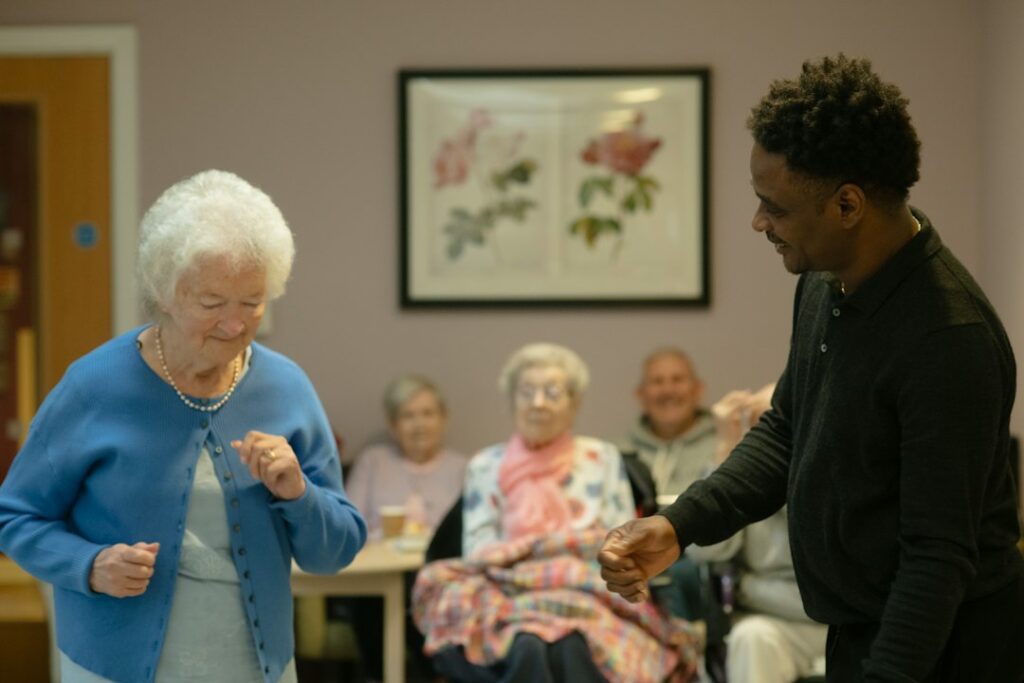
Assisted living is designed to provide support while preserving as much personal choice and independence as possible. For residents and families in Mountain Top, PA, the most useful question is not only what help is available, but how that help can fit the resident’s routines, priorities, abilities, and sense of identity.
What does person-centered assisted living mean?
Person-centered assisted living means care is organized around the individual rather than expecting every resident to follow the same routine. Staff may provide help with bathing, dressing, medications, meals, mobility, or household tasks, but the resident’s preferences should guide how that assistance is delivered.
A person-centered approach considers:
- Preferred waking and sleeping times
- Favorite foods, disliked foods, and dietary traditions
- Cultural, religious, or personal routines
- Desired level of privacy
- Clothing choices and grooming habits
- Hobbies, social interests, and quiet activities
- Relationships with family, friends, and neighbors
- Abilities the resident wants to continue using independently
The goal is not to remove every responsibility. It is to provide the right amount of support so a person can remain involved in daily decisions.
Can residents maintain their normal routines?
Often, yes. Assisted living communities usually have schedules for meals, activities, medication assistance, and safety checks, but residents may still have flexibility within those structures. A person who has always enjoyed sleeping later may prefer a later breakfast. Someone who values an early morning routine may want to begin the day before most neighbors are active.
Routine preferences can also include:
- Reading the newspaper or listening to music in the morning
- Taking a walk at a familiar time
- Watching a favorite program in the evening
- Attending religious services or observing personal spiritual practices
- Spending part of the day alone
- Calling family members at a regular time
A move to assisted living does not have to mean giving up familiar habits. During the assessment process, residents and families should describe ordinary routines in practical detail rather than simply saying that the person “likes independence.”
How are meals adapted to individual preferences?
Meals are one of the clearest ways personal preferences affect daily life. Residents may have favorite dishes, food allergies, medical diets, religious restrictions, or strong dislikes developed over many years.
A useful discussion can include:
- Foods the resident enjoys and tends to avoid
- Preferred portion sizes
- Familiar regional or family recipes
- Texture or swallowing concerns
- Whether the resident prefers dining with others or eating quietly
- Preferred meal times and snack habits
- Cultural or religious food practices
Seasonal conditions can also influence food preferences. During cold weather in the surrounding area, some residents may prefer warm soups, cooked breakfasts, and hot beverages. During warmer months, lighter meals, fresh fruit, and cold drinks may be more appealing.
Meal preferences should be balanced with medical needs. A resident with diabetes, swallowing difficulty, kidney disease, or food allergies may need specific adjustments. The resident should still be included in discussions about acceptable choices whenever possible.
What choices can residents make about personal care?
Personal care should be respectful, private, and as individualized as safety allows. Assistance with bathing, dressing, toileting, grooming, or oral care can be provided in a way that preserves dignity.
Residents may have preferences about:
- The time of day for bathing
- The type of clothing they wear
- Hair, shaving, makeup, or nail care
- The gender of the caregiver, when staffing allows
- How much assistance they receive
- Whether a family member is involved in planning
- The order in which morning or evening tasks occur
A resident who can complete part of a task should generally be encouraged to do so. For example, staff may help with buttons or shoes while allowing the resident to choose clothing and complete other steps independently.
The purpose of assistance is to support ability, not automatically replace it.
How can assisted living support hobbies and social preferences?
Activities are more meaningful when they connect with a person’s history and interests. A resident who never enjoyed large group games may prefer one-on-one conversation, gardening, puzzles, music, crafts, or time outdoors.
Interests may include:
- Gardening or caring for indoor plants
- Sewing, woodworking, painting, or crafts
- Reading, writing, or listening to audiobooks
- Watching sports or discussing current events
- Playing cards or board games
- Cooking or baking with supervision
- Caring for pets, where permitted
- Spending time with grandchildren
- Attending worship or community events
Mountain Top’s changing seasons may affect how residents participate. Snow, ice, and cold temperatures can limit outdoor activity during winter, while spring and summer may create more opportunities for patios, walks, gardening, and outdoor visits. A flexible activity plan should include indoor alternatives when weather affects transportation or mobility.

Social participation should remain a choice. A resident should not be treated as disengaged simply because quiet time is preferred.
What role does the resident’s apartment or room play?
A personal living space can help preserve identity and comfort. Familiar furniture, photographs, artwork, books, blankets, and other possessions may make the new setting feel more personal.
Families should consider practical safety as well as decoration. Clear walking paths, stable furniture, adequate lighting, and carefully placed personal items can reduce fall risks. Seasonal decorations may need to be adjusted if they create tripping, fire, or mobility concerns.
Residents may also have preferences about:
- Room temperature
- Lighting
- Noise levels
- Door privacy
- Television or music volume
- Visitors
- Furniture arrangement
- Keeping a small refrigerator, microwave, or personal appliance where permitted
Personal belongings are not merely decorative. They can support memory, comfort, conversation, and a sense of control.
How are preferences handled when health needs change?
Preferences may change as mobility, memory, hearing, vision, or health needs change. A person who once preferred long walks may later need shorter routes or an escort. Someone who enjoyed cooking may be able to continue by preparing simple ingredients with supervision.
Good planning revisits preferences instead of treating the original care plan as permanent. Changes may be needed after:
- A fall or hospitalization
- A new diagnosis
- A medication change
- Weight loss or appetite changes
- Increased confusion
- Difficulty sleeping
- A change in mobility
- A shift in emotional or social needs
Safety limits are real, but they should be explained clearly. A restriction should be connected to a specific concern and reviewed when circumstances change, rather than becoming an unexplained rule.
What should families ask before a move?
Families can learn a great deal by asking how individual choice works in ordinary situations. Useful questions include:
- Can residents choose when to wake up and go to bed?
- How are food preferences and dietary restrictions recorded?
- Can residents choose between different activities?
- How are bathing and personal-care schedules arranged?
- What happens when a resident declines an activity or service?
- How are families informed when preferences or abilities change?
- Can residents personalize their living spaces?
- How are winter weather and transportation interruptions handled?
- How often are care plans reviewed?
The answers should be specific. “Everything is personalized” is less useful than an explanation of how staff document preferences, communicate changes, and respond when a resident’s wishes conflict with safety requirements.
Individualized support is most effective when the resident remains part of the conversation. Assisted living should provide help with daily life without erasing the habits, values, relationships, and choices that make that life personal.
