
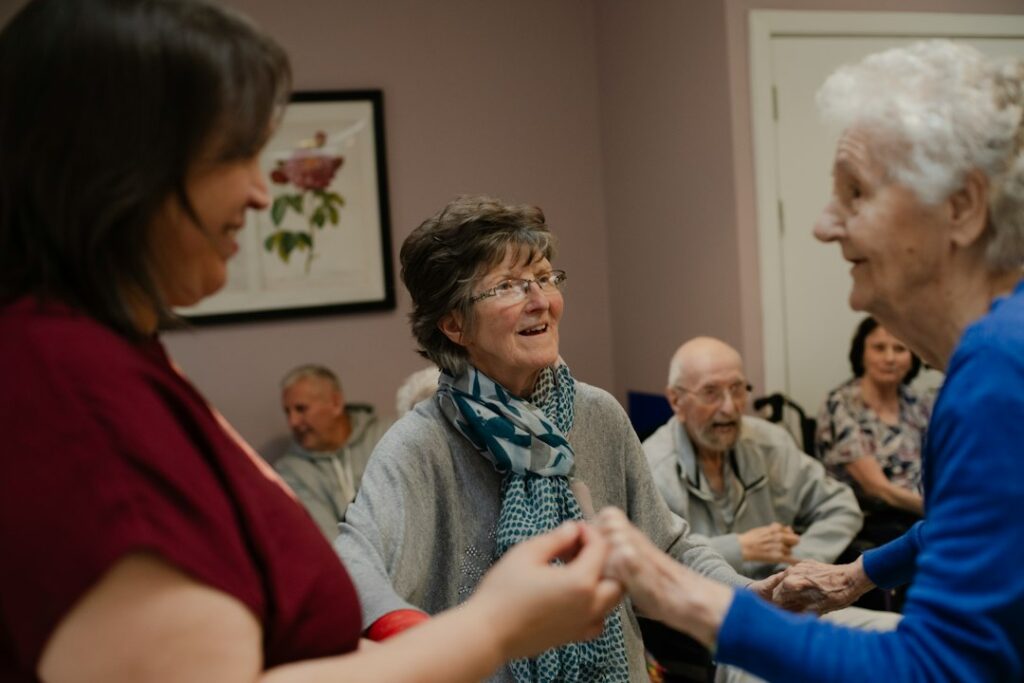
Assisted living should provide support without taking away a person’s identity, preferences, or sense of control. For residents and families in Mountain Top, PA, promoting dignity and autonomy means creating daily routines that protect safety while still allowing older adults to make meaningful choices about how they live.
Dignity is reflected in how a resident is spoken to, assisted with personal care, and included in decisions. Autonomy means having a voice in everyday matters, even when help is needed with medications, mobility, meals, or personal tasks.
What do dignity and autonomy mean in assisted living?
Dignity means treating each resident as an adult with a personal history, private life, and individual preferences. Staff should communicate respectfully, protect privacy, and avoid treating residents as though they are defined only by their medical or personal care needs.
Autonomy means supporting a resident’s ability to make choices and participate in decisions. A resident may need assistance, but assistance is not the same as control.
Examples include allowing a resident to choose:
- What clothing to wear
- When to get up or go to bed, within safe limits
- Which activities to attend
- How to arrange personal belongings
- What foods to eat when alternatives are available
- Whether to spend time alone or with others
- How to maintain personal, cultural, spiritual, or family routines
Pennsylvania assisted living regulations recognize a resident’s right to be treated with dignity and respect. They also address privacy, personal possessions, participation in decisions, and access to complaint procedures.
How can staff support independence without creating unnecessary risks?
The goal is not to eliminate every risk. The goal is to understand reasonable risks, reduce preventable hazards, and help the resident participate as fully as possible.
For example, a resident who has balance problems may still be able to choose clothing, help prepare a snack, water indoor plants, or walk a familiar route with appropriate support. Removing every opportunity for activity may protect against a small possibility of harm while causing loss of strength, confidence, and purpose.
A practical approach includes:
- Asking what the resident can do independently before stepping in
- Offering verbal reminders before providing hands-on assistance
- Allowing extra time instead of rushing through tasks
- Using mobility aids correctly and consistently
- Reviewing safety plans when a resident’s condition changes
- Explaining why a restriction is being considered
- Reassessing restrictions rather than treating them as permanent
Support should be proportionate to the concern. A person who needs help managing medications may not need someone else to choose every part of the daily schedule.
Why do personal routines matter?
Familiar routines can help residents feel secure, especially after a move from a private home into a shared residential setting. A routine may involve morning coffee, a preferred bathing time, a religious practice, listening to certain types of music, or calling family at a regular hour.
These habits may appear minor to others, but they can preserve continuity and self-confidence. A resident who has always selected an outfit the night before may experience unnecessary frustration if clothing is chosen without consultation. Someone who prefers quiet mornings may become distressed if repeatedly encouraged to join early activities.
Families can help by sharing useful details about:
- Typical sleep and meal patterns
- Preferred names and forms of address
- Food dislikes, allergies, and cultural preferences
- Important traditions and personal routines
- Past occupations, hobbies, and responsibilities
- Comforting objects, music, photographs, or activities
- Signs that the resident is tired, uncomfortable, embarrassed, or overwhelmed
This information should guide individualized support rather than create a fixed label about what a resident can or cannot do.
How should families participate without taking over?
Families are valuable partners, but adult residents should remain involved in decisions whenever they are able to participate. A family member may be concerned about nutrition, falls, medication, or social isolation. Those concerns deserve attention, but the resident’s preferences should not be overlooked.
A useful conversation begins with questions such as:
- What matters most to you about your daily routine?
- What kind of help feels useful?
- What kind of help feels intrusive?
- Which decisions do you want to make yourself?
- What would make the living space feel more like home?
- How should family members respond if there is a disagreement?
If a resident has a legal representative or documented decision-making arrangement, the role and limits of that arrangement should be understood clearly. Assistance with decision-making is different from assuming that a resident has no voice.
Family members can also watch for changes that may signal a loss of autonomy, such as a resident becoming unusually quiet, refusing activities they once enjoyed, appearing embarrassed during care, or saying that no one listens.

What does respectful personal care look like?
Personal care requires particular attention to privacy and consent. Staff should explain what they are doing, close doors or curtains when appropriate, protect the resident’s body from unnecessary exposure, and use respectful language.
Before helping with bathing, dressing, toileting, or grooming, staff should provide a clear explanation and allow the resident to respond. Even when a task must be completed promptly, the resident should not be spoken about as though the resident is absent.
Respectful care also includes recognizing preferences about:
- Hair, shaving, cosmetics, and clothing
- Bathing methods and times
- Room privacy
- Preferred caregivers when scheduling allows
- Communication style and personal boundaries
A resident may agree to assistance one day and decline it another day. Changes should be explored rather than dismissed automatically as stubbornness. Pain, fatigue, fear, depression, medication effects, or confusion may be influencing the response.
How can autonomy be protected during winter and severe weather?
Seasonal conditions in Mountain Top can affect mobility, transportation, daylight, and access to outdoor activities. Winter weather may lead to temporary changes in schedules, but those changes should not erase resident choice.
When outdoor walks or family visits are limited, residents can still help decide how to spend the day. Options might include indoor exercise, video calls, reading, crafts, music, visits in common areas, or quiet time in a personal living space.
Residents and families can ask how the residence handles:
- Snow and ice near entrances
- Delayed or canceled transportation
- Missed family visits
- Indoor activity alternatives
- Heating concerns and personal comfort
- Emergency communication during power or weather disruptions
Safety planning is most respectful when residents receive clear explanations and reasonable alternatives instead of unexplained restrictions.
What should a resident or family do if dignity is not being respected?
Start by describing the concern specifically. “I feel ignored” may be difficult to investigate, while “staff enter the room without knocking” or “meals are changed without asking about dietary preferences” identifies a clear issue.
Residents and families can:
- Write down dates, times, and what occurred
- Ask to speak with the appropriate supervisor
- Request a review of the resident’s assessment or support plan
- Ask how preferences are documented and communicated between shifts
- Include the resident in discussions whenever possible
- Use the residence’s formal complaint process if the concern continues
Pennsylvania assisted living residences must provide information about resident rights and complaint procedures. A resident should not be punished, threatened, or treated unfairly for raising a concern.
Dignity and autonomy are not special privileges reserved for residents who need little assistance. They are part of respectful care at every level of need. The most supportive environment is one that helps residents remain safe while continuing to make choices, express preferences, maintain relationships, and be recognized as the person they have always been.
